September 7, 2020
How to Repair an Unhappy Relationship Together

An unhappy period does not automatically mean a relationship is over, but it also cannot be repaired by one person doing all the work. Progress usually begins when both partners can describe the problem honestly, listen without punishment, and make small changes that can be observed over time.
This article offers general educational ideas, not therapy or crisis advice. If fear, threats, coercion, stalking, isolation, financial control, or physical or sexual harm is present, the priority is safety—not better communication with the person causing harm.
First, separate disconnection from abuse
Ordinary conflict can still be painful, but both people retain the freedom to disagree, seek support, set boundaries, and make choices. Abuse involves a pattern of power and control. A relationship exercise designed for mutual conflict may be unsafe when one partner uses retaliation or intimidation.
If you are unsure, review the National Domestic Violence Hotline’s information on recognizing abuse and planning for safety. In the United States, the Hotline offers confidential support by phone, chat, or text. If you are in immediate danger, contact local emergency services. Use a safer device if you think your internet activity is monitored.
Name the problem in specific terms
“We are unhappy” is too broad to solve. Each partner can privately write down what has changed, when it tends to happen, and what a better week would look like. Focus on observable patterns such as cancelled time together, unresolved money decisions, unequal household work, criticism, or avoiding affection.
Then choose one issue for the first conversation. Avoid bringing every past disappointment into the same hour. A focused problem makes it easier to identify a realistic next action and notice whether anything improves.
Create conditions for a useful conversation
Choose a time when neither person is rushing, intoxicated, exhausted, or responsible for an immediate task. Agree that either person can request a pause if the conversation becomes overwhelming, and decide when you will return to it.
Speak from your own experience: describe the situation, the effect it has on you, and the concrete change you are requesting. The other partner should summarize what they heard before responding. Understanding a concern does not require agreeing with every interpretation.
Turn promises into small repeatable actions
“I will be better” cannot be measured. “I will put our weekly check-in on the calendar and arrive without my phone” can. Choose one or two actions each partner can reasonably repeat for several weeks.
Examples include dividing a recurring task, setting a spending threshold that requires discussion, planning protected time together, or changing how a conflict pause works. Keep the experiment small enough to sustain during an ordinary week, not only during a romantic reset.
Repair trust with consistency
An apology matters when it names the harm, takes responsibility without excuses, and is followed by changed behavior. The hurt partner is not required to feel reassured immediately. Trust often returns through many predictable moments rather than one dramatic gesture.
Do not use gifts to skip accountability. A keepsake can mark a genuine new chapter after actions have changed, but it cannot repair dishonesty, contempt, or broken agreements by itself.
Know when outside support may help
A qualified couples therapist can help with recurring conflict, communication breakdowns, grief, major transitions, or decisions about the future when both partners can participate safely. Individual support may be more appropriate when one person needs privacy, clarity, or help setting boundaries.
Look for a licensed professional whose experience fits the concern and ask how they approach safety, confidentiality, and goals. If abuse is present, seek specialized domestic-violence support before pursuing couples counseling.
Review progress honestly
Set a date to review the specific changes you agreed to. Ask what improved, what remained difficult, and whether both people followed through. One imperfect week does not determine the future, but repeated refusal, ridicule, or retaliation is important information.
It is possible to care about someone and decide the relationship is no longer healthy or workable. Staying together is not the only successful outcome; clarity, safety, and respectful decision-making matter too.
If you choose to mark a shared turning point
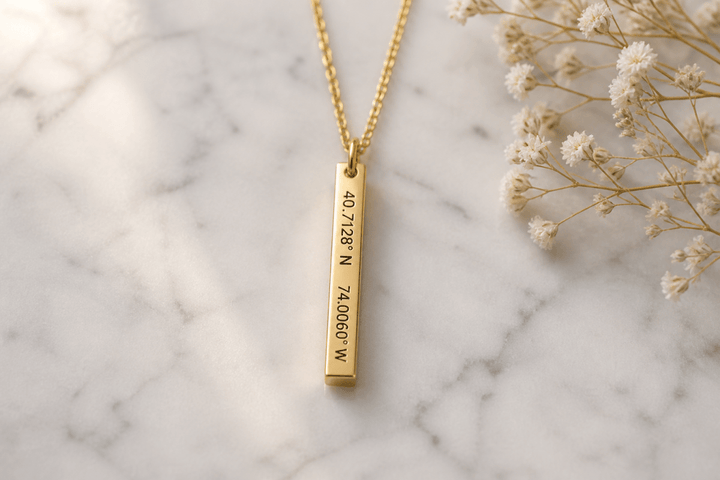
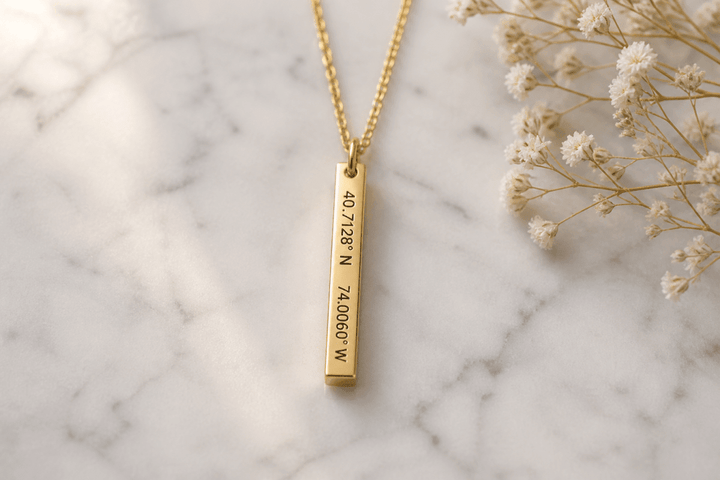
After real repair work, some couples choose a private reminder of the place where they reconnected, made a commitment, or began again. Our guide to finding meaningful coordinates can help you verify that location, and the personalized jewelry collection offers understated ways to carry it. Let the object represent work already underway rather than asking it to do the work for you.
Shop the pieces in this guide


Related guides
- The complete guide to personalized jewelry
- How to find the coordinates of any place
- What to engrave: 50 meaningful ideas
Or browse our best sellers.